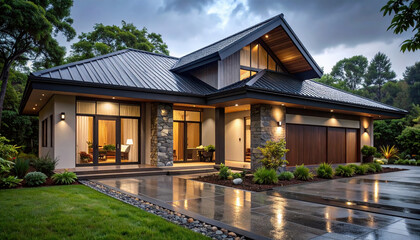
Home additions can add tremendous value to your property, but they are also a major financial investment. Understanding how different factors influence your final cost can help you budget more accurately and avoid hidden surprises.
For example, many people believe that larger projects, such as a 500-square-foot family room, are more expensive than smaller ones, like a 100-square-foot sunroom. But that’s not always the case. Visit https://jrcsi.com/ to learn more.
Building Permits
The number and type of building permits required significantly impact the cost of home additions. Whether it’s standard zoning or plumbing and electrical permits, these expenses must be accounted for in the overall project budget.
The size and location of the addition also affects costs. A bump-out in the front yard or a sunroom on a flat lot is typically less costly than adding a full second story to the existing home. This is because fixed costs like labor and materials are spread over more square footage.
When it comes to bathrooms or kitchens, how close the new addition is to existing water and sewer lines is one of the biggest per-square-foot cost drivers. If long plumbing runs or soil excavation is necessary to tie into the nearest septic system, costs escalate quickly.
Another hidden cost many homeowners underestimate is the need to upgrade electrical service. Most older homes have 100-amp services that simply can’t handle the load of today’s energy demands. Upgrading this during the construction of a home addition can be done more economically than after the fact, and it helps protect the safety and reliability of your home’s electrical system.
Unexpected costs can pop up during any renovation, and that’s especially true with home additions. To help offset these costs, it’s wise to establish a contingency fund of 10-15% of the total project cost. This can be used to cover unexpected costs that are encountered during construction, such as opening walls that reveal structural issues or unforeseen permitting requirements.
Sitework
Home additions offer a great way to improve the comfort and functionality of your living space while increasing your home’s value. But how much will they cost? While there’s no magic number, understanding the core factors that influence price will help you plan a smart budget from day one.
When planning your project, it’s helpful to make a “must-haves” list and a “wish list.” The must-haves are the non-negotiable features that will make your new room function for your family. The wish list includes the extras you’d love to include if possible, like high-end fixtures or custom cabinetry. This exercise will help you create a realistic budget that aligns with your long-term financial goals and empowers you to make smart decisions throughout the build process.
Sitework costs depend on the size and complexity of your addition, the materials you choose, and local labor rates. You’ll also need to factor in additional costs for zoning, permits, and any utility upgrades or landscaping work that may be required.
It’s also important to consider how your addition will impact the timeline of your project. Some types of home additions, such as a bathroom or kitchen expansion, require plumbing and electrical updates that can significantly add to your overall construction time. It’s essential to communicate your timeline with your general contractor and any subcontractors involved in your project so they can adjust their schedule accordingly.
Materials
Home additions are a smart investment for homeowners who want to increase their living space without the expense and hassle of moving. But how much a homeowner spends on an addition depends on the scope, location, and materials used to create it. Understanding the costs involved can help homeowners set a realistic budget for their project.
The type of home addition also plays a major role in the overall cost, with bump-outs requiring less construction than primary suites or two-story rooms. Additionally, adding features like windows and skylights will naturally raise the price per square foot compared to a room with few window openings. Homeowners can keep their costs down by choosing energy-efficient, Low-E coated windows that will save on heating and cooling expenses over time.
Another factor is where the addition will be built, with projects in urban areas often costing more than those in rural locations due to higher material prices and more complex permitting processes. For this reason, it’s best to work with a renovation contractor that understands the local market and can offer competitive pricing.
Lastly, it’s worth noting that homeowners should always update their homeowner’s insurance policy after the completion of their renovation. Failure to do so can leave them underinsured in the event of a catastrophe that damages their newly-built addition. A few minutes with a professional can ensure they’re properly covered.
Labor
Home additions are a major investment, but they can increase living space and boost property value. However, the exact cost of a home addition can vary significantly depending on a variety of factors. These include the size of the addition, required permits, materials, and labor. To minimize the overall cost of your home addition, it’s important to plan carefully. For instance, consider getting multiple contractor bids, sourcing your own materials, or handling some of the work yourself. Additionally, it’s a good idea to partner with a design professional, as they can create a detailed plan that aligns with your vision and stays within your budget.
The type of addition you choose will also impact the cost. For example, an accessory dwelling unit (ADU) will likely be more expensive than a primary bedroom or garage addition. This is because an ADU is designed to function as a separate living space and can be used for rental income. In addition, a full basement will be more costly than a crawl space or pier foundation since it requires extensive excavation and concrete work.
Upgrading your home’s electrical system to accommodate the new space will increase costs as well, particularly if you’re adding a kitchen or bathroom. HVAC upgrades may also be necessary to ensure the additional space remains comfortable and energy efficient. To avoid surprises, Wright’s Renovations includes all necessary fees in comprehensive estimates for Southeast Michigan homeowners.
Subcontractors
Home additions often involve complex construction work, and specialized projects like rewiring or plumbing require skilled labor. The costs of these subcontractors can vary widely depending on their experience and specialty, as well as the type of project. The cost of an architect or designer is another factor that can impact the overall price per square foot of a home addition. However, their services can help homeowners avoid costly design errors and ensure that the finished product is a high-quality space.
The exterior finish of a home addition can also significantly affect costs. For example, matching an older brick home precisely will require more expensive materials and skilled masons than a modern contrast. Likewise, adding windows and skylights will naturally add to the total cost of a space versus a room with no openings. However, the upfront investment in energy-efficient windows will pay dividends in terms of reduced heating and cooling costs over time.
Many local governments offer tax incentives, rebates, or grants for home additions that include energy-efficient upgrades. The availability and details of these incentives can vary by region, so it’s important to check with your local government before beginning your project.
Homeowners can reduce the overall cost of a home addition by planning ahead and working with a professional contractor to create a realistic budget from the start. Upfront budget planning also allows for the discovery of unexpected expenses, and a contingency fund can help cover these unforeseen costs without derailing the entire project.
Design
If you are dreaming of a complex design for your new home addition, be sure to discuss it early with your contractor. You’ll want to avoid surprises during construction, and changing designs in the middle of the process can raise project costs significantly.
How well the addition connects to the existing house also affects costs. A simple room addition with minimal reworking of the original interior is easier and less expensive than a major structural alteration. If the addition requires removing load-bearing walls or underpinning existing foundations, the price tag will increase dramatically.
Other cost factors include the size and complexity of any HVAC, plumbing, or electrical systems required by the addition. The number and types of windows can also impact prices. Energy-efficient, Low-E coated windows reduce heating and cooling expenses year-round, but they may raise upfront costs.
The location of the addition, including whether it’s a ground-level sunroom or a second-story home extension, impacts price as well. Some locations are more expensive to build on because of the type of soil or weather conditions.
When you’re planning your renovations, consider the long-term value of your home and prioritize features that improve it. If you’re unsure where to start, consider working with a professional designer for a clearer picture of your budget and project timelines. They’ll help you select a final design that aligns with your vision and meets the needs of your family or business.